

Although discovered in the sun in 1868, it took a few more years before Helium was discovered on Earth. French astronomer Pierre J. C. Janssen was in India measuring the solar spectrum of a total eclipse. He observed a yellow line in the spectrum of gases, which indicated a new element.
In October of the same year, English astronomer Norman Lockyer also observed this yellow line, concluding that it was an unknown element in the sun. Helium got its name from Lockyer and English chemist Edward Frankland and was named after after helios, the Greek sun god.
Did you know helium does much more than just fill up party balloons for your parties? It’s one of the universe’s most abundant gases! Now that you know everything you need about nitrogen, here are a few fun facts about helium.
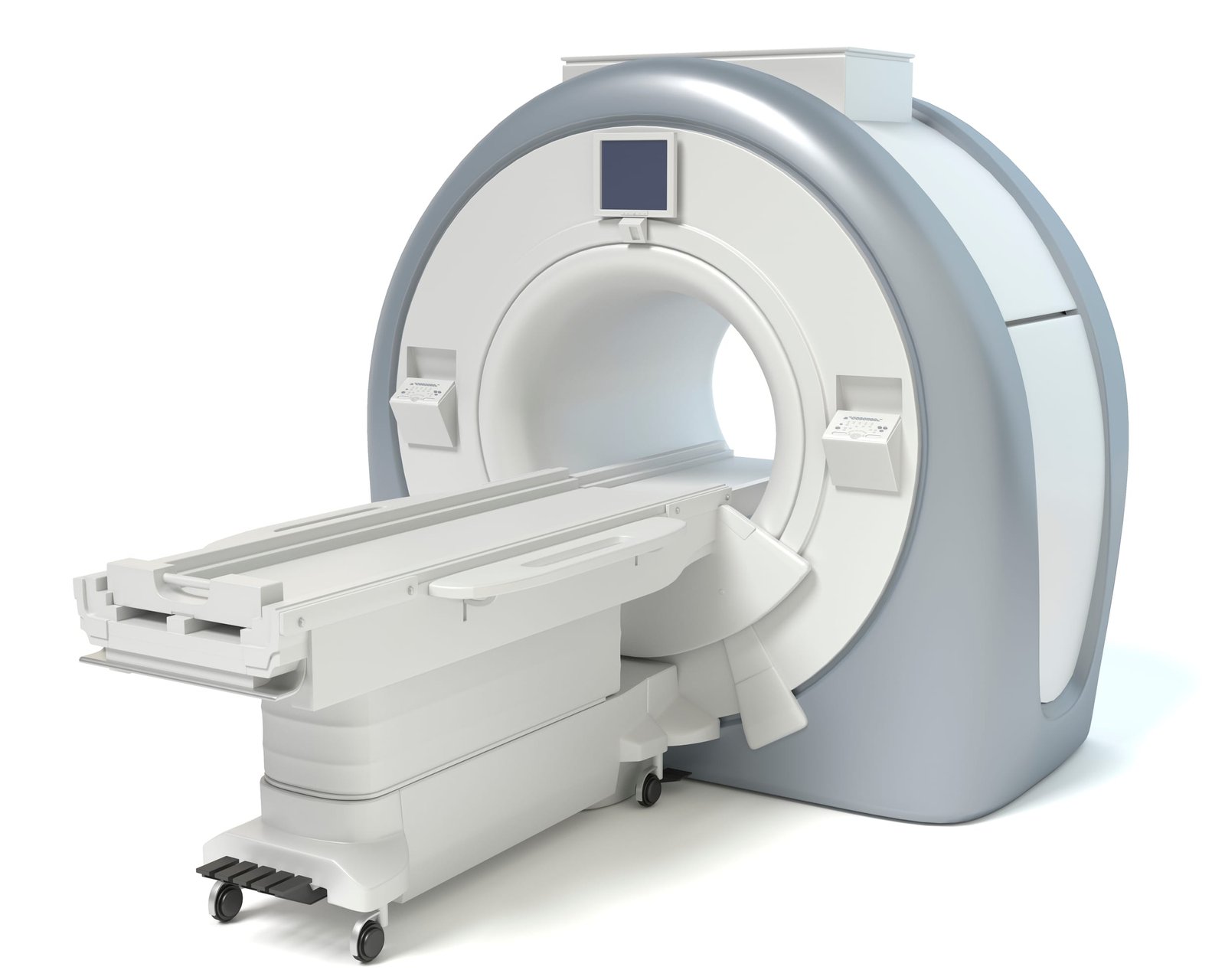
Cooling MRIs
Helium’s low boiling point makes it ideal for cooling down MRI machines. A safe and controlled procedure is needed for accurate imagery; MRIs utilise strong magnetic fields, and as the magnets become superheated, it’s necessary to cool them down safely. At its low boiling point of -269°C, helium is ideal to cool down the MRI magnets safely and effectively.
Shooting for the Stars
Space technology is very delicate and precise, and it’s essential to utilise the best materials and gases for optimum results. Liquid fuels of NASA shuttles are very volatile and they contain corrosive materials that could destroy the spacecraft. Helium gas is used to prevent this from happening as it’s light and non-flammable.

Deep Sea Diving
When deep sea diving, helium is necessary to compose a breathing gas, Trimix, which comprises of helium, nitrogen, and oxygen. Different depths require different mixes with helium in order to reduce the proportions of both nitrogen and oxygen to a quantity which is below that of air. Lower nitrogen reduces nitrogen necrosis, and lower oxygen reduces the risk of oxygen toxicity.
This way you can safely dive at deep sea levels with helium guaranteeing have a safe journey!

Alternatively, you can also find us on Facebook and Twitter to see our latest updates.