
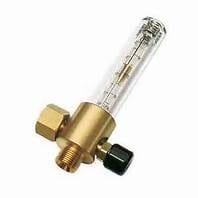
AU300 FLOW METER 0 – 25lpm
£18.30 + VAT
AU300 Flow Meter delivers precise 0–25 lpm gas flow control. Compact, reliable, and ideal for welding, laboratory, and industrial applications requiring accurate measurement.
Explore
Related products
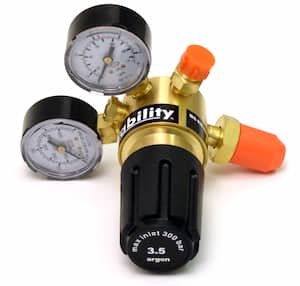
AE3005LX SHEILDING GAS REGULATOR FOR MIG AND TIG WELDING
High-quality gas bottles engineered for safety, portability and efficiency.
£37.12

TIG 9 Accessory Kit
High-quality gas bottles engineered for safety, portability and efficiency.
£21.66

AEARGBN Argon to CO2 Adaptor
High-quality gas bottles engineered for safety, portability and efficiency.
£28.75

AECO2BN CO2 to Argon Adaptor
High-quality gas bottles engineered for safety, portability and efficiency.
£19.80

TIG 17, 14 Piece Accessory / Spares Kit
High-quality gas bottles engineered for safety, portability and efficiency.
£28.17
AU300 Flow Meter 0-25 Litres per minute
High-quality gas bottles engineered for safety, portability and efficiency.
£18.30
FAQs
As a trusted supplier of gas, we frequently get asked questions about gas safety, the difference between butane and propane, as well as the best uses for our gas products. In this blog, we’ll be answering our most common FAQs.
MIG/MAG (GMAW): Always uses shielding gas (unless flux-cored gasless wire)
TIG (GTAW): Always uses shielding gas (usually Argon)
MMA/Stick (SMAW): No external gas needed (flux coating provides shielding)
The right MIG welding gas depends on the material you are welding and the finish you want to achieve. Argon and CO2 mixes are commonly used for mild steel, while higher argon blends are better suited to stainless steel and aluminium. Adams Gas offers a wide range of MIG welding gases and can help customers choose the most suitable option for consistent, high quality results.
Pure CO2 is a cost effective option that delivers good penetration, but it can create more spatter and a rougher weld finish. Mixed gases cover cleaner welds, better arc stability, and improved control. Adams Gas supplies both pure CO2 and mixed gas options so welders can choose the right balance between performance and cost.
Pure argon is the most commonly used gas for TIG welding, as it provides a stable arc, clean welds, and precise control. It is suitable for welding materials such as aluminium, stainless steel, and mild steel. Adams Gas supplies high quality TIG welding argon to support consistent, professional results.
In most cases, TIG welding uses pure argon rather than mixed gases. However, certain specialist applications may use argon and helium blends to increase heat input, particularly for thicker materials. Adams Gas offers TIG welding gas options suitable for both standard and more advanced TIG welding requirements.
Yes, TIG welding gas has a direct impact on arc stability, weld appearance, and overall weld quality. Using clean, high purity gas helps prevent contamination, porosity, and inconsistent results. Choosing a reliable supplier like Adams Gas ensures the gas performs consistently across different TIG welding projects.