Jargon Busting Welding Terminology for Beginners
Welding is an incredibly gratifying hobby, but if you’re just starting out then you might have some questions regarding the vocabulary used in welding communities, both hobbyist and professional. We’ve got you covered for arc welding supplies, which you can find in our online store, but you’ll need this blog to best understand all the terminology!
- Cleaning Chemicals
- Fume Extraction
- Flux
- Gas Regulator
- Laser Welding
- Liquidus
- Metal Grinding
- Melting Range
- MIG Welding
- Power Source
- Tempering
- TIG Welding
- Plasma Cutters
- Shielding Gas
- Torch Cleaner
- Welding
- Welding Gloves
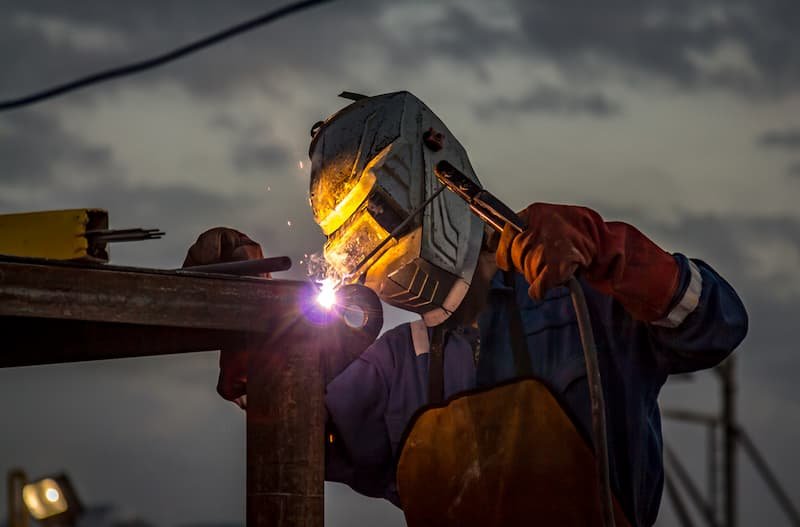
- Welding Helmet
- Welding Pool
- Welding Rods
- Welding Seam
- Welding Spatter
- Welding Torch
- Welding Zone
- Wire Feeder
- Workpiece
Cleaning Chemicals
These are for cleaning your workpieces and welding torches.
Fume Extraction
Some materials or welding processes create dangerous fumes. An extraction machine keeps the welder safe by pulling the fumes away.
Flux
Helps to clean the metals of the workpiece.
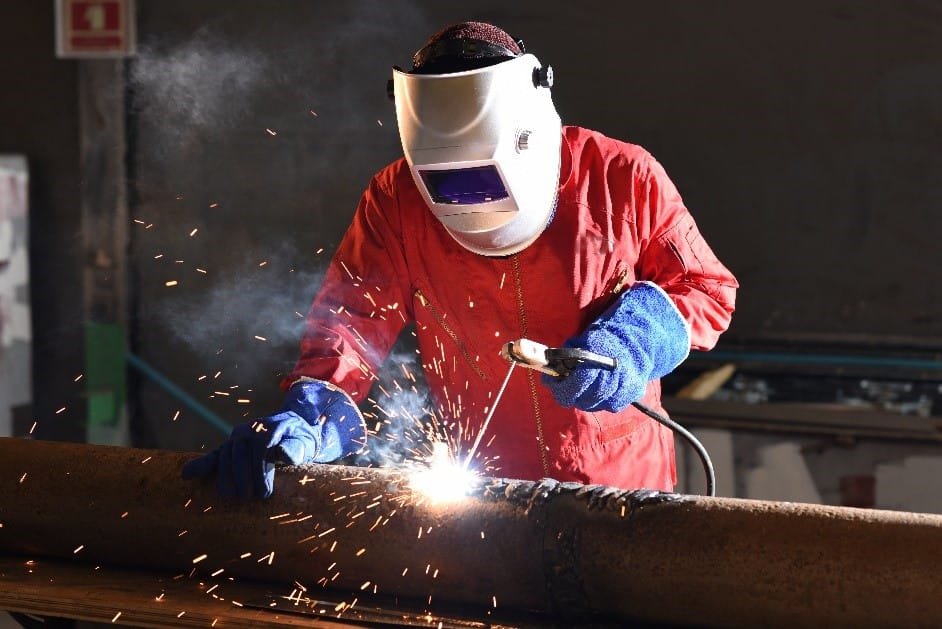
Gas Regulator
These control the flow of gas through the welding torch.
Laser Welding
A type of welding that uses lasers instead of electric arcs and electrodes. This method results in narrow, deep welds.

Liquidus
The lowest point at which a metal becomes liquid.
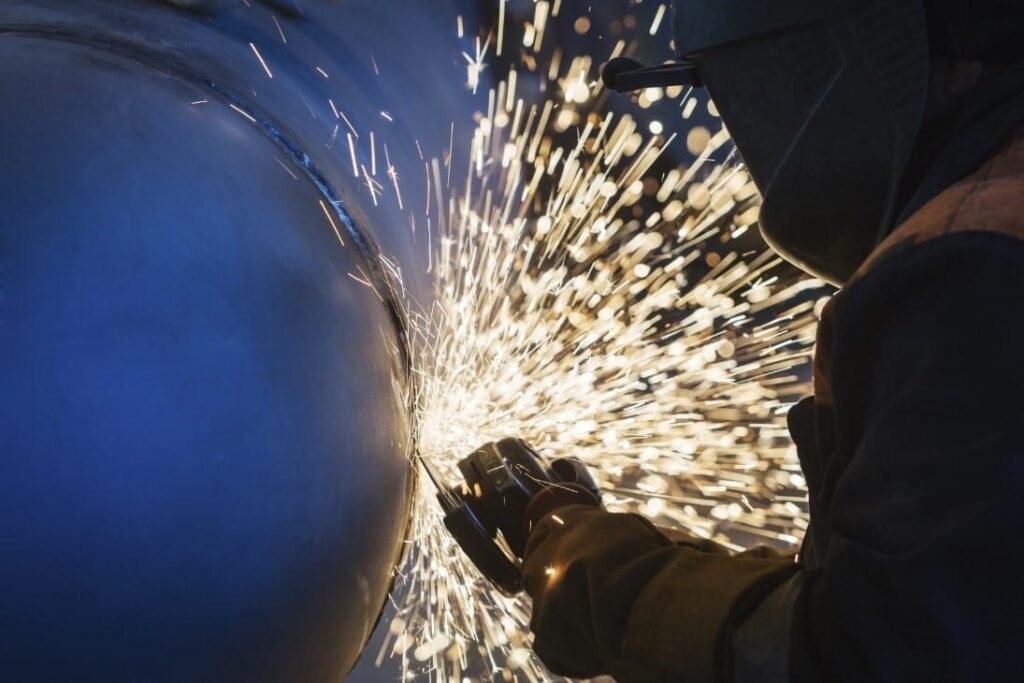
Metal Grinding
A metal grinder may be an important tool if you’re working with rusty metal. It is important to ensure that your workpieces are clean and shiny before you weld, so a grinder may be used to remove areas of rust before you begin.
Melting Range
The temperatures between solid and liquid metal.
MIG Welding
Sometimes referred to as GMAW – Gas Metal Arc Welding – where an electric arc between the electrode and the workpiece is used to melt the welding rod and fix metal pieces together. In this type of welding, the welding rod is also the electrode, and is consumed into the welding pool during the weld. This means that the welding rods need to be replaced between welds. MIG welding requires specific types of gas and supplies.
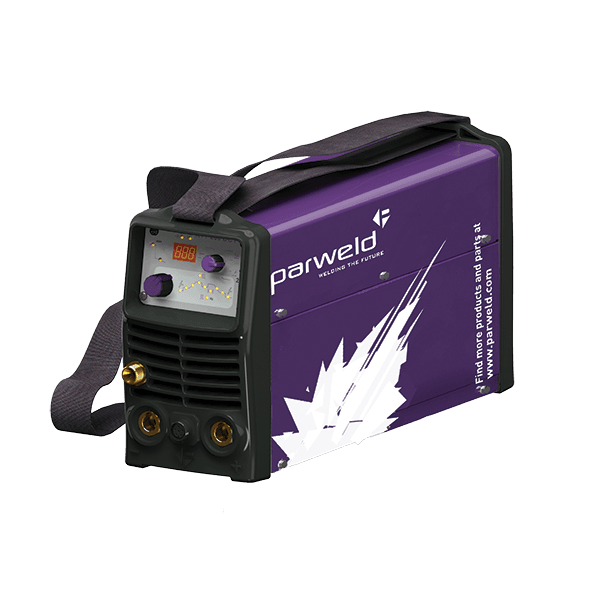
Power Source
Welding power sources give electricity to the welding gun so that the electric arc can be created. The power source should allow the user to control the voltage, as this will need to be adjusted depending on the workpiece substance.
Tempering
When steel is reheated in order to make it stronger.
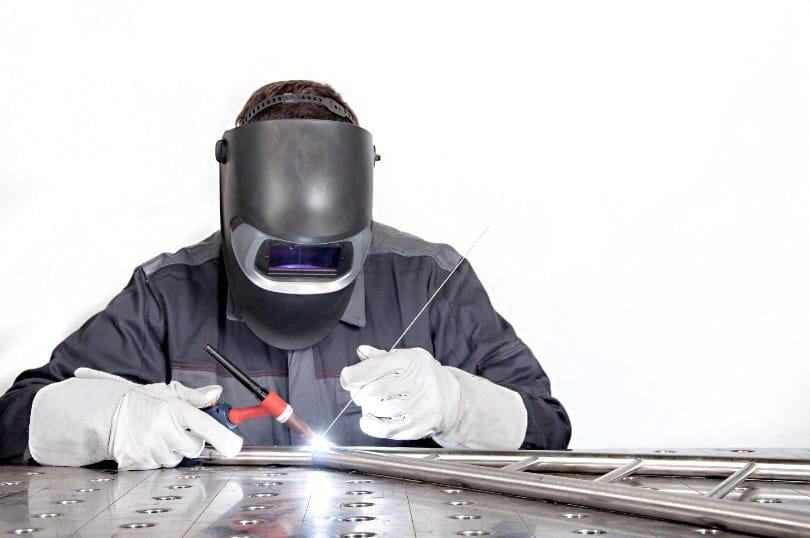
TIG Welding
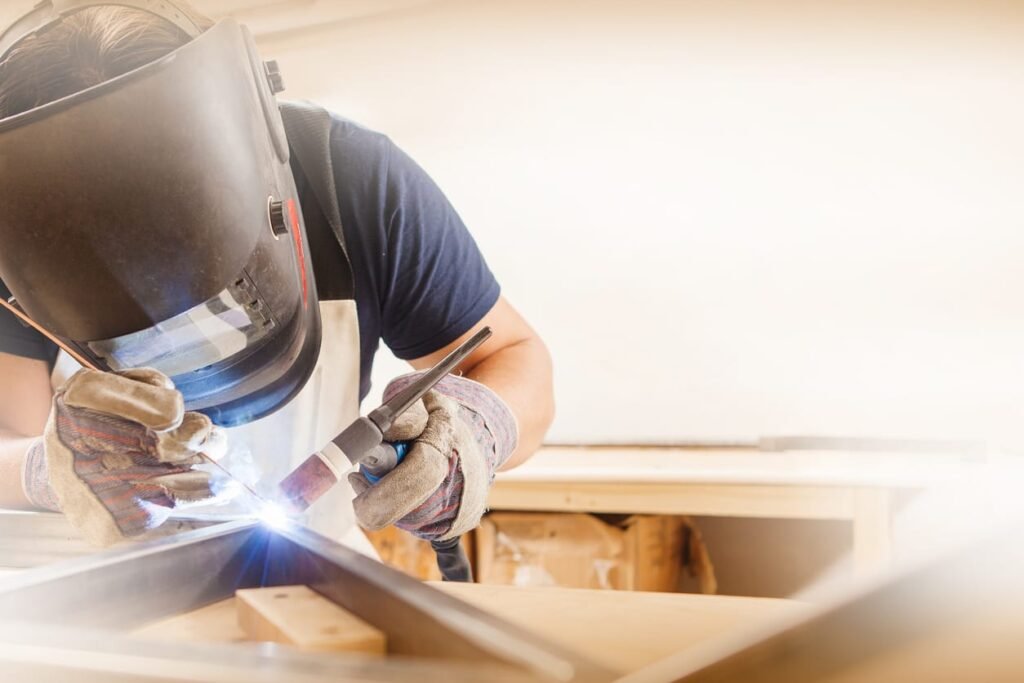
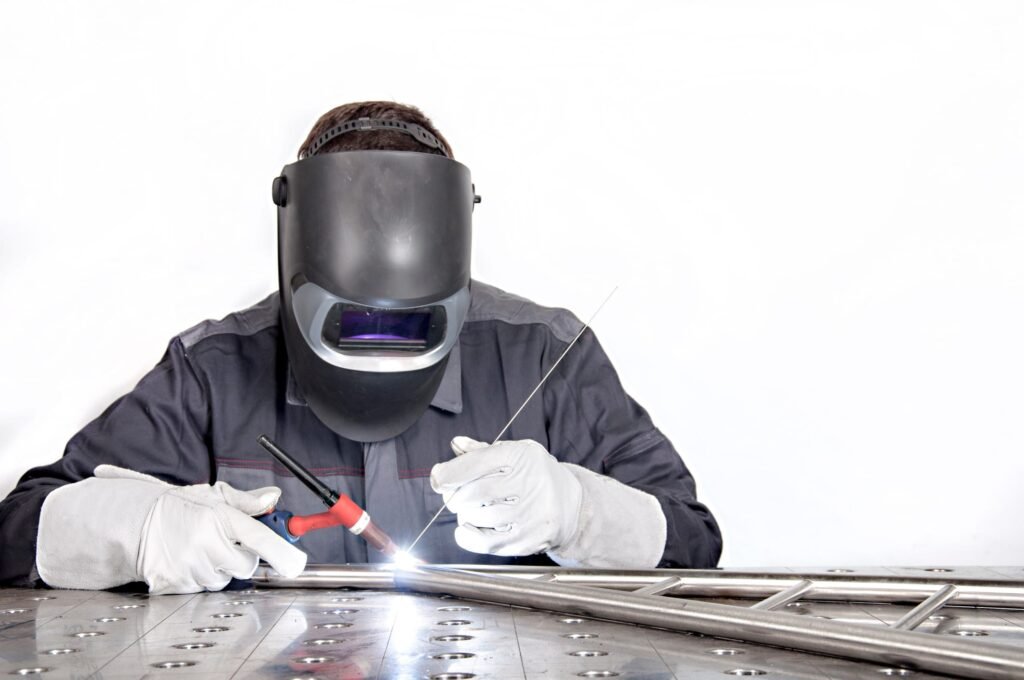
Tungsten Inert Gas welding functions similarly to MIG welding, however, the electrode is made from tungsten and is therefore non-consumable. This means that the welder feeds separate rods into the electric arc/welding zone to create the seam between two workpieces. TIG welding may also be referred to as GTAW – Gas Tungsten Arc Welding. TIG welding requires specific types of gas and supplies.
Plasma Cutters
Equipment that cuts through electrically conductive material using hot plasma to melt space between metal sections. These are used in both industrial applications and hobbyist projects.
Shielding Gas
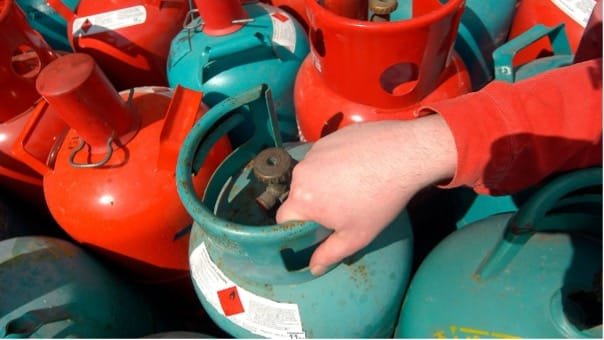
It is important to regulate the immediate atmosphere of your welding zone; a shielding gas is delivered from the end of the welding torch to control the welding process. Shielding gases for welding are often a mixture of pure gases.
Torch Cleaner
Used to maintain the torch. A dirty or poorly maintained torch may encourage welding spatter.
Welding
The act of welding.
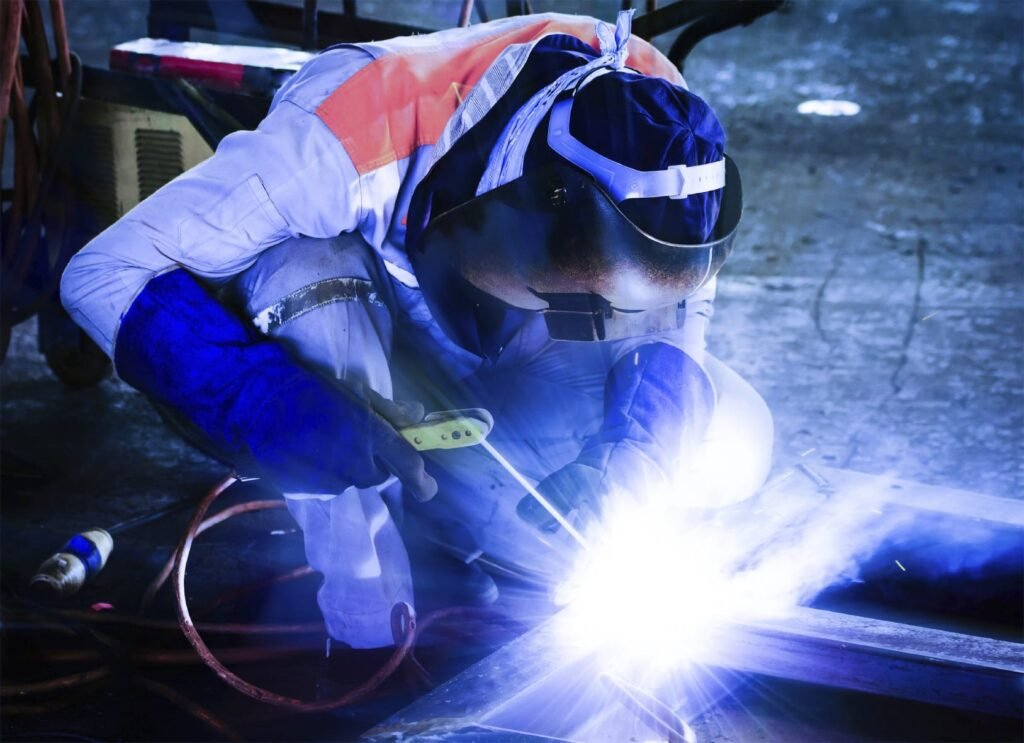
Welding Gloves
A protective garment to keep your hands safe from sparks and heat.
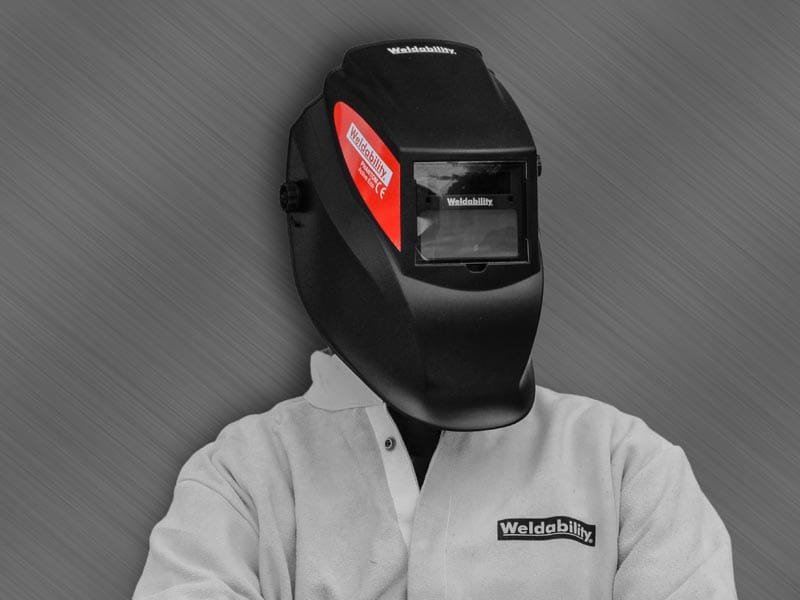
Welding Helmet
A helmet that protects your face, especially your eyes, from sparks and heat coming from the welding torch. The mask my also filter out dangerous fumes that occur during some welding processes. Some prefer to refer to this piece of equipment as a welding mask.
Welding Pool
This is the pool of metal that forms at the base of the welding torch. It is the result of melting the wire and is what will hold your workpiece together.
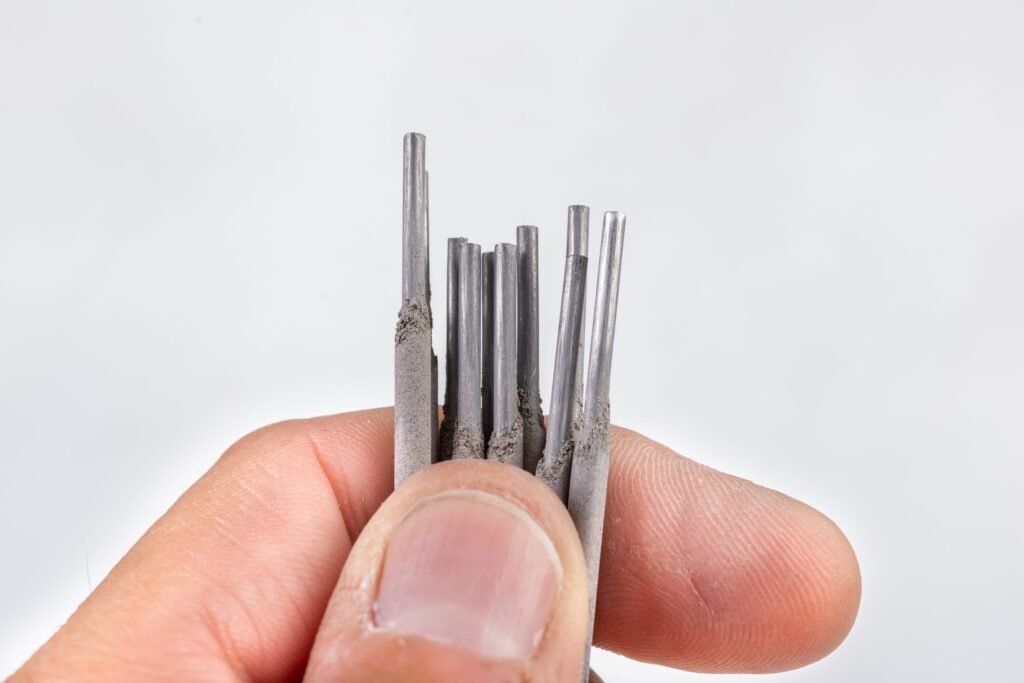
Welding Rods
The metal that is melted to weld a workpiece together.
Welding Seam
This is the hardened filler metal between two workpieces after you have finished, sometimes called a welding bead instead of a seam. During the weld, when the metal is still fluid, it is referred to as the ‘weld pool’. A good bead is smooth, and a bad bead is lumpy.
Welding Spatter
Spatter means that there are probably air pockets in your weld, which suggests that the integrity of your weld could be compromised.
Welding Torch
Part of an automatic welding system. The torch delivers the arc and the shielding gas. The shape of the torch often dictates the type of weld; a torch with a bend is usually used for arc welding. You may find that some people refer to the torch as a welding gun, too.
Welding Zone
This is the area where the welding occurs, at the end of the torch.
Wire Feeder
Automatic welding guns feed the metal wire into the welding zone, so that you don’t have to feed it manually. This has both advantages and disadvantages.
Workpiece
A piece of metal which you are going to weld.
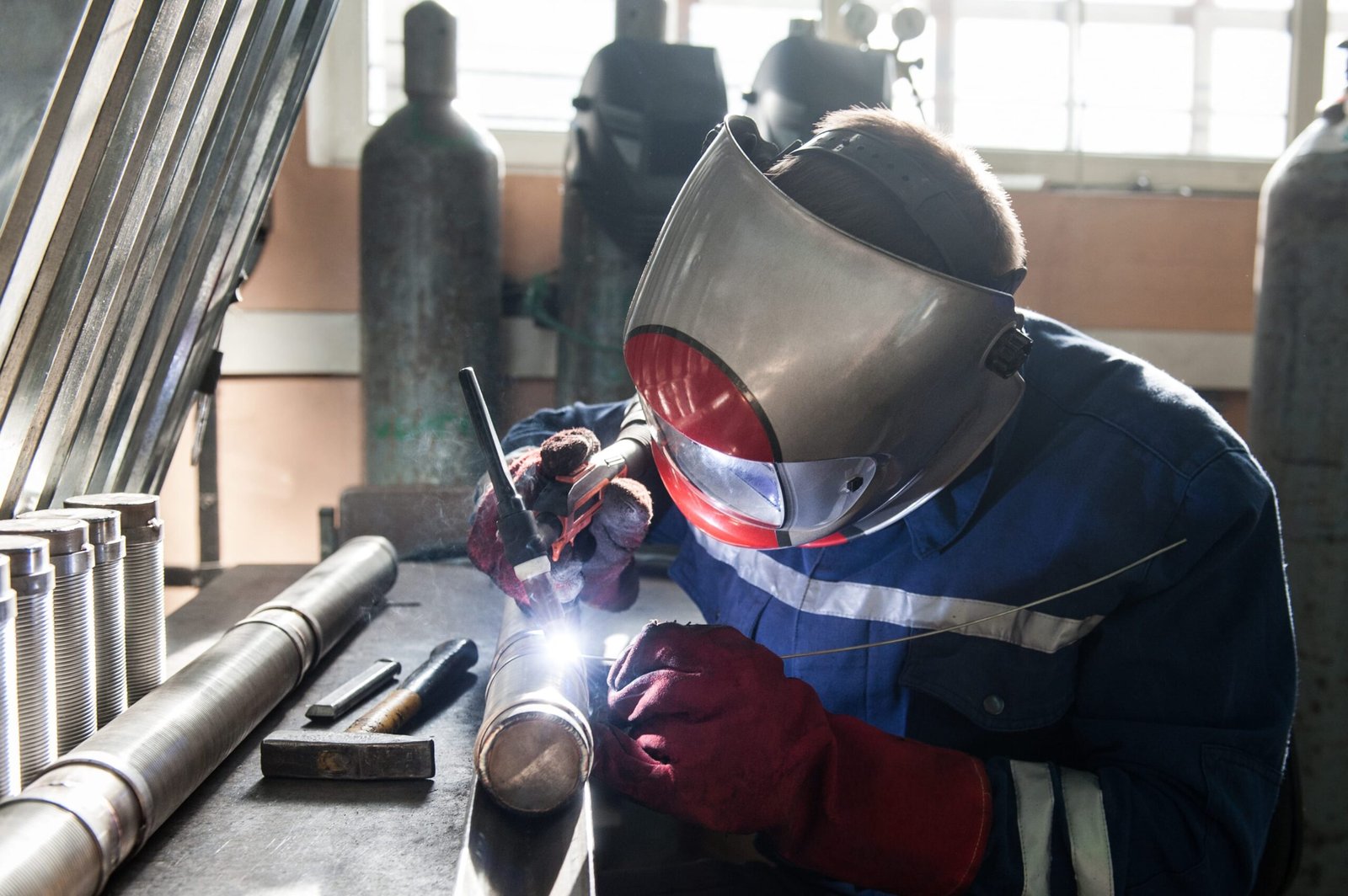
Welding is such an exciting skill to have and there is so much more to learn about how to achieve the best weld for different materials. We will keep you updated with the latest welding tricks and tips in our blog, so stay posted.